
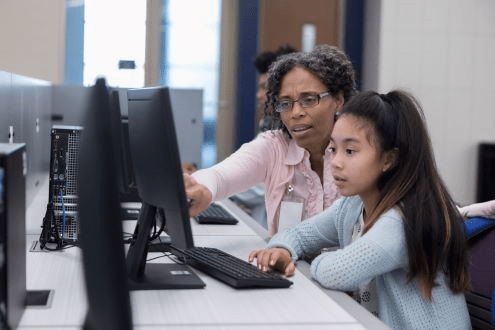
The technological revolution and the widespread use of ICTs has led to a new definition of the term library, whilst radically evolving the conventional functions of the library. Some of the areas that have been impacted include: policy development in libraries, services offered, acquisitions and cataloguing, education and literacy and the library profession. The needs of the information user have changed, and libraries need to take this into consideration when developing their policies. Students now expect to be able to learn and work everywhere, with continuous access to learning materials and one another for collaborative learning. Thus, the brick and mortar shelf filled library has given way to a more digitally infused learning environment where active learning takes place. In addition to books and shelves, policymakers now must design libraries with active leaning spaces for computer users, media productions and virtual meeting spaces.
What does this all mean for the role of the Librarian?
With the presence of library technology expanding to meet user demands, the typical job description of a librarian has changed. The new trends in staffing dictate that libraries hire capable people who can use and understand technology and share this knowledge with their clients.
Transformations that are of interest include:
- Evolution in upholding ethics
The American Library Association (ALA) and the International Federation of Library Associations (IFLA) have maintained a code of professional ethics that librarians and other information professionals reference regarding social challenges such as copyrights, censorship, and freedom of information. The role of the librarian is to make patrons feel safe accessing information in an environment that does not safeguard their personal data. Online formats and third party vendor agreements force them to strike a balance between monitoring and gathering, and upholding that patrons should be able to learn and access information freely and without restriction.
2. Managing more information
By 2020, technology experts predict that society will generate 1.7 megabytes of information each second for every individual on the globe, and the sum of all digital information will grow from today’s 4.4 zettabytes to 44 zettabytes. With this explosion of information, libraries need staff who can use technology to quickly conduct research, analyze data, tackle problems, and develop new solutions.
3. Changing tools of the trade
With digital transformation, libraries are moving away from the print to more digital formats of information. Answers to queries that traditionally directed users to the bookshelf, can now be answered via electronic sources. The librarians’ role is to empower the user to find information. This is done through computer and other information literacy initiatives. Additionally, library ‘makerspaces’ dictates that the librarian develop competencies to assist patrons with using these modern resources.
How can the Librarian stay relevant in changing times?
- Stay current and demonstrate ability/knowledge in areas that are trending now
- Follow emerging trends (trendwatching)
- Join professional library associations
- Professional Development
The fact remains that technology will only continue to evolve and libraries will have to keep up with the trends to remain relevant. With this in mind, librarians and budding librarians will have to ensure that they keep up with this evolution.
Any thoughts?


Yes Kazim, I agree with you. Librarians and budding librarians do have a responsibility to stay relevant. Especially with the move to offering online services only, I believe we must grasp at every opportunity to update our technological skills. There are thousands of free webinars being hosted by library professionals almost every day. I believe that staying on top of things by participating in such courses is one way to remain relevant in such a technologically advanced age.
LikeLike