

Technology has prompted libraries to change the way they acquire, organize, manage, disseminate and preserve information and resources. RFID technology uses radio frequency to automatically identify persons, items and things. From its inception, RFID technology has been used in various applications including:
- Inventory control
- Asset tracking
- Access control
- Materials Management
Libraries should embrace the advantages that RFID has to offer. Imagine walking through the library and having inventory done by the wave of a wand. The RFID wand reader will make this a reality. Automated self- checkout and check-in stations will free up staff from performing these duties allowing more time for library programming and patron engagement. Automated book drops save time for those with a tight schedule
Click here for more advantages and disadvantages of RFID.
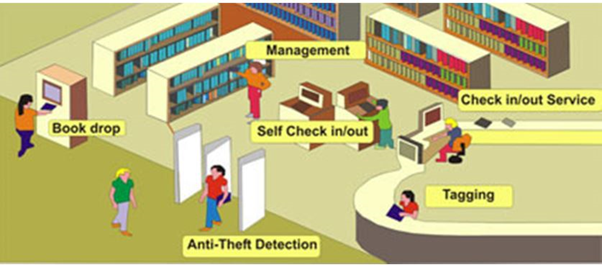
Photo courtesy: cxjrfidfactory.com
As with everything else that exists there will always be two sides of a coin and RFID does have its concerns, particularly with respect to patron privacy and confidentiality. Given its ease of tracking, RFID would be make it very easy for someone with immoral intentions to access personal information on persons, and use it to stalk, cause discomfort or even inflict harm to them. ALA Code of Ethics offers guidelines on this issue.
Given its many advantages, RFID technology should definitely be encouraged in libraries, (we would just have to ensure that library personnel operate with the highest degree of integrity.)
Also check out this short video:
What’s your take?
 Techbrarians Blog
It’s very interesting to know of RFID technology in libraries today. It makes life so much easier from the perspective of the library staff and processing the check in and check outs for library books. This way, a patron can just scan and be on his way or identify when a book is leaving the library without permission.
LikeLiked by 1 person
Hi Kazim. I like that you spoke on, not only the advantages of using RFID, but also the disadvantages. It is important to clearly state these as it helps persons to make better decisions, having all the facts. I think using RFID in libraries will be a great step toward the future of the technological age in libraries for the obvious reasons stated. However, as with many other programs, there are glitches that will have to be monitored, but I love the idea and hope to see it effected in libraries in Trinidad and Tobago very soon.
LikeLike